
Living with persistent pain can feel overwhelming, isolating, and exhausting. For many, it shrinks their world, making simple movements feel dangerous and recovery feel out of reach. You may find yourself avoiding activities you once loved, trapped in a cycle of protection that paradoxically keeps the pain alive.
We believe that managing persistent pain should be empowering, not limiting. We understand that pain is not just a sensation in the tissues; it is a complex experience processed by the brain. That is why we have integrated Virtual Reality (VR) technology and evidence-based Pain Neuroscience Education into our clinical practice.
This modern approach supports patients, including those undertaking chronic pain management to reclaim confidence in movement and take control of their pain experience.
Table of Contents
What Is Virtual Reality Pain Management?
The Science: Retraining the Brain
The Biopsychosocial Approach
What Happens in a Session?
Solutions for Workers Compensation and Veterans
Expert Endorsement
Who Can Benefit?
Book Your Assessment
What Is Virtual Reality Pain Management?
Our VR-enhanced therapy utilises the Reality Health platform, a clinically developed system that creates immersive environments tailored to support pain rehabilitation.
It is important to clarify that this is not a video game; it is a sophisticated form of neurological rehabilitation. The experiences are grounded in neuroscience and behavioural science to help patients achieve three distinct goals:
Understand pain differently: Through interactive education, patients learn why they hurt, de-threatening the sensation of pain.
Build confidence: By practicing movement in safe, controlled virtual spaces, patients can perform tasks they might avoid in the real world.
Develop pain self-efficacy: This is the belief that you can influence and manage your pain, shifting you from a passenger to the driver of your recovery.
The Science: Retraining the Brain
Persistent pain often continues long after tissues have healed because of misconceptions, such as the belief that "hurt always equals harm." When pain persists for months, the nervous system becomes hypersensitive, sounding the alarm even when there is no danger.
This is where cognitive rehabilitation exercises come into play. Our clinical approach promotes conceptual change, helping you understand that pain is produced by the nervous system and, crucially, can be retrained.
Neuroplasticity and the "Alarm System"
The brain is capable of change throughout life, a concept known as neuroplasticity. In chronic pain, the brain has "learned" to be good at producing pain. Our goal is to use that same plasticity to unlearn it.
Why Neuroscience Matters:
Safe Expectation Violations: We use VR to induce "safe expectation violations." This means you perform a movement in VR that you consciously thought would hurt. When your brain realises the movement was safe, it begins to dial down the protective pain response.
Visual Feedback: VR provides visual inputs that can trick the brain into feeling safe, allowing for greater range of motion without the associated fear.
First-Line Intervention: Education is recommended by international guidelines. When combined with movement therapy, it improves outcomes and reduces disability significantly more than exercise alone.
The Biopsychosocial Approach
The Reality Health protocol aligns with the biopsychosocial model. This model recognises that pain is never just physical. To truly recover, we must address the whole person.
Biological: We address the physiological changes in the nervous system and physical deconditioning (weakness/stiffness) that occur due to inactivity.
Psychological: We target the fear of movement (kinesiophobia), anxiety, and the catastrophic thinking that often accompanies flare-ups.
Social: We look at how pain affects your work, family life, and connection to your community, aiming to restore your participation in society.
By integrating these three pillars, we move beyond simple "symptom management" toward genuine rehabilitation.
What Happens in a Session?
If you have never used Virtual Reality, the idea might seem daunting. However, the Reality Health platform integrates seamlessly with your Exercise Physiology sessions. Here is what a typical clinical pathway looks like:
Immersive Learning
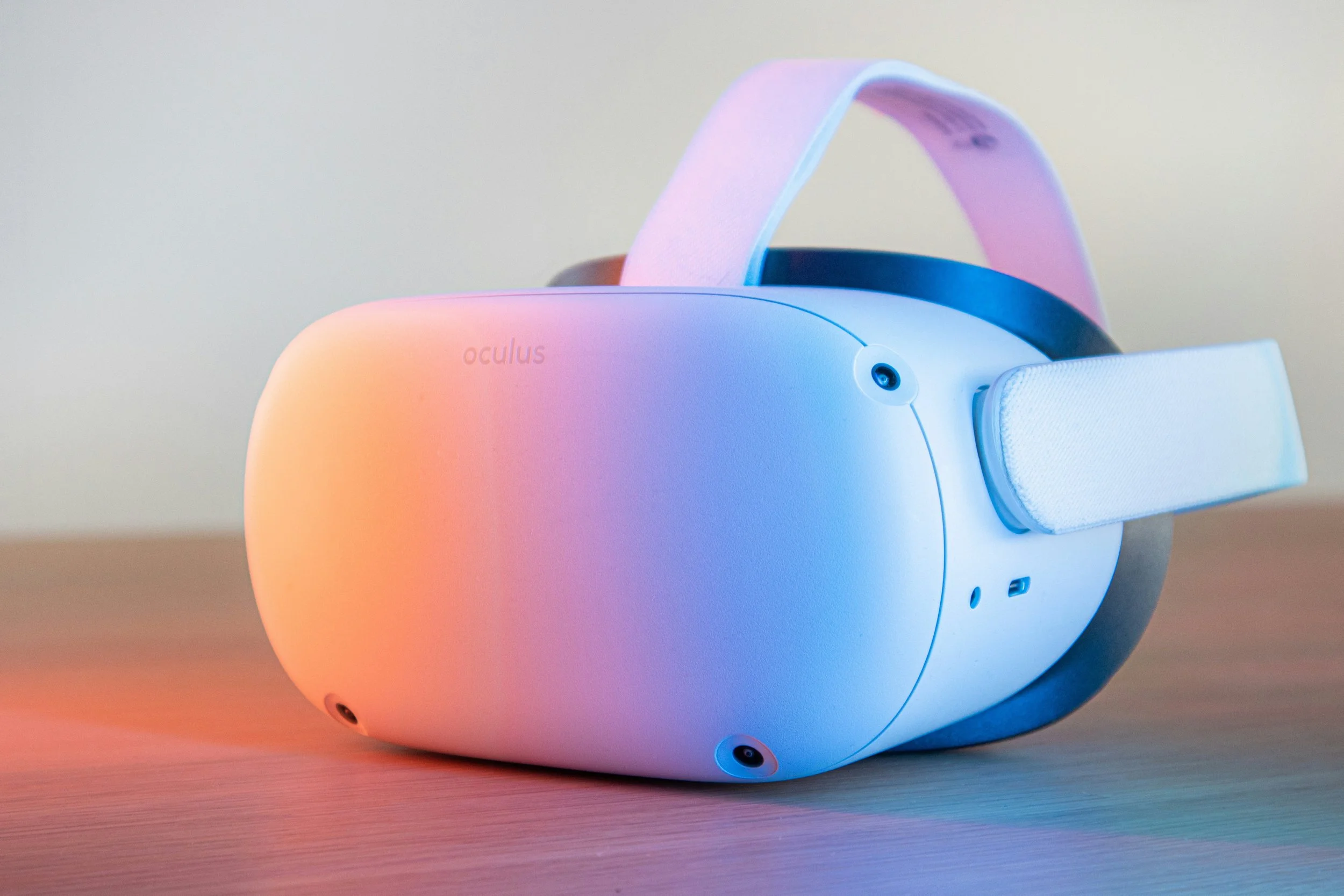
You will wear a comfortable, lightweight headset. Inside, you are transported to a calm, virtual environment where you engage with educational modules. These modules visually explain complex pain concepts, helping to shift outdated beliefs about your condition.
Movement Without Fear
Once you understand the "why," we move to the "how." VR allows you to practise graded movement in a safe, engaging setting. For example, you might reach for objects in a virtual world. Because your brain is focused on the immersive task, you often move further and more freely than you would in a gym setting, reducing fear and avoidance behaviours.
Personalised Coaching
Our Exercise Physiologists act as Pain Coaches. We do not just put a headset on you and walk away. We guide you through the experience, ensuring every session combines physical rehabilitation with psychological strategies for long-term success.
Solutions for Workers Compensation and Veterans
Persistent pain is a leading cause of delayed return-to-work and long-term disability claims. Our VR-enhanced pathway addresses both the physical and psychological barriers to recovery that traditional therapy often misses.
Workplace Injury Rehabilitation
For insurers and employers, this approach aligns with best-practice WorkCover & CTP injury rehabilitation.
Often, an injured worker is physically capable of returning to work but is held back by fear of re-injury or a sensitised nervous system. By improving pain self-efficacy, we help patients resume functional activities sooner.
This is a modern approach to occupational rehabilitation that can:
Reduce claim duration.
Lower associated medical costs.
Provide measurable data on engagement and progress.
Supporting Veterans
Veterans often experience complex pain presentations, including musculoskeletal injuries co-occurring with PTSD or high stress. Our service provides a safe, non-threatening environment that respects individual needs. It complements broader mental health strategies, helping veterans regain independence and improve quality of life.
Validated by Leading Pain Scientists
We believe in using tools backed by rigorous science. The Reality Health platform used at Kinetic Medicine acts under the scientific direction of Professor Lorimer Moseley AO, a globally recognised leader in pain science.
“These modules are evidence-based and deliver learning objectives that are consistent with critical concepts for recovery. They are clinically proven to improve pain and disability outcomes and increase the likelihood of full recovery in people with chronic pain.”
This endorsement underscores the clinical credibility of the technology we use to support your recovery.
Who Can Benefit?
This service is ideal for individuals living with conditions where pain has persisted beyond normal healing times (usually 3 months).
Chronic Low Back Pain: For those who have become afraid to bend or lift due to fear of "damaging" their spine.
Complex Regional Pain Syndrome (CRPS): VR can be particularly effective here, as it allows for "graded motor imagery," retraining the brain's map of the affected limb without direct touch initially.
Osteoarthritis and Fibromyalgia: Helping to separate the sensation of discomfort from the idea of danger, allowing for more activity.
Post-Surgical Persistent Pain: For patients who have structurally healed from surgery but continue to experience pain.
Added Value: Secure Patient Portal To make your journey easier, Kinetic Medicine offers a secure patient portal. You can access educational resources, track your progress, and communicate directly with your Exercise Physiologist; keeping you engaged between sessions.
Book Your Assessment
Persistent pain does not have to define your life. Discover how functional restoration pathways using Virtual Reality can help you move with confidence and reclaim control.
Ready to take the first step?
Contact Kinetic Medicine today to learn more about this revolutionary service and schedule your initial assessment.
Frequently Asked Questions (FAQ)
Will VR make me feel motion sick?
This is a common concern, but modern medical VR is very different from early gaming headsets. The Reality Health platform uses high-frame-rate technology designed specifically to minimise motion sickness. Furthermore, most sessions are conducted while seated, and your Exercise Physiologist will monitor you closely to ensure you remain comfortable throughout the experience.
Is this just a video game?
No. While the interface is engaging, this is a clinical neurorehabilitation tool. Every environment and task within the headset is grounded in neuroscience principles designed to retrain neural pathways. Unlike a game played for entertainment, this is a structured therapy focused on specific rehabilitation goals, such as increasing range of motion or reducing pain sensitivity.
Do I need to be "tech-savvy" to do this?
Not at all. Your Exercise Physiologist handles all the technical setup. You simply put on the headset (which fits over most glasses) and follow the visual and audio prompts. We guide you through every step of the process.
How long does the pain relief last?
VR is not just about temporary distraction; it is about long-term skills. By using cognitive rehabilitation exercises to change how your brain processes pain signals, we aim to build "pain self-efficacy." This means the skills and confidence you gain in the virtual world are designed to translate into your everyday life, providing lasting benefits.
Is this covered by insurance?
Yes, in many cases. Our VR-enhanced services are often accessible through WorkCover, CTP, and DVA funding streams, as well as the NDIS. We recommend contacting our admin team to discuss your specific funding eligibility.