
You might have experienced a near miss recently. Maybe you caught your toe on a loose rug. Perhaps you felt unsteady on the back steps. Your heart races, and your confidence takes a massive hit. This fear is completely valid. A fall can change your life in an instant. It threatens your ability to live on your own terms.
Many seniors react to this fear by moving less. You might stop gardening or avoid walking to the local shops. However, this is the worst thing you can do for your body. Moving less creates a dangerous cycle of weakness. It makes a future fall much more likely. You do not need to wrap yourself in bubble wrap. You need a safe, clinical approach to building your physical capacity.
Table of Contents:
The Hidden Dangers in Your Environment
Your Essential Home Safety Checklist
The 5 Steps to Fall-Proofing Your Body
Why Grab Rails Are Not Enough
Building Self-Efficacy and Autonomy
Your Next Steps to Independence
Frequently Asked Questions
The Hidden Dangers in Your Environment
Your home should be your safe haven. Unfortunately, it is often the most common place for accidents to occur. We spend most of our time at home. We move around in the dark. We navigate tight spaces like bathrooms and hallways.
Over time, we become blind to the trip hazards around us. We ignore the frayed edge of the carpet. We forget about the slippery tiles in the laundry. These small hazards become major threats as our bodies age. Our reaction times slow down. Our vision might not be as sharp as it once was.
Addressing these environmental risks is the very first step in any tailored plan. You must control your surroundings before you can safely challenge your body. Home safety is not about turning your house into a hospital. It is about making smart, practical modifications to protect your future.
Your Essential Home Safety Checklist
We highly recommend conducting a physical audit of your living space. Grab a notepad and walk through every single room. Look at your floors, your lighting, and your furniture placement.
Use this simple Home Safety Checklist to identify common risks:
Rugs and Mats: Remove all loose throw rugs. If you must keep them, secure them with double-sided tape.
Walkways: Keep hallways completely clear of clutter, electrical cords, and low furniture.
Lighting: Install bright, easily accessible lights in hallways and stairwells. Use nightlights in the bathroom and bedroom.
Bathrooms: Install non-slip mats in the shower and bath. Fit sturdy grab rails near the toilet and shower entrance.
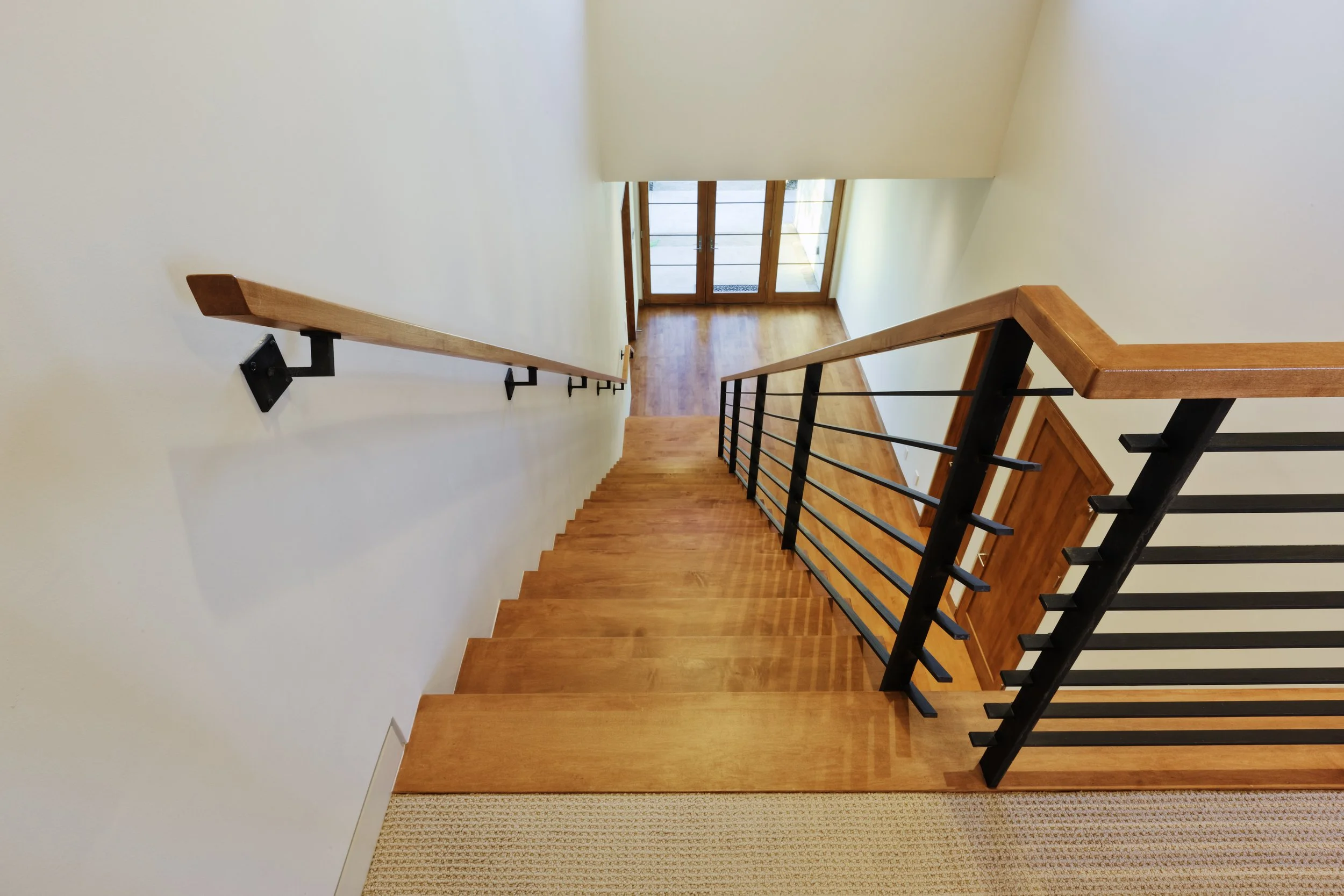
Stairs: Ensure all steps have secure, tightly fastened handrails on both sides. Repair any loose floorboards immediately.
Footwear: Avoid walking in slippery socks. Wear supportive, enclosed shoes even when you are inside the house.
The 5 Steps to Fall-Proofing Your Body
Modifying your house is only half the battle. The most important environment to fall-proof is your own body. We use a clinical pathway to build your strength and stability from the ground up. Here are five essential steps we focus on.
1. Wake Up Your Proprioception
Proprioception is your body's ability to know where it is in space. It is the complex communication between your brain, muscles, and joints. As we age, this communication can become sluggish. We use targeted movements to wake up your nervous system. This ensures your brain knows exactly where your feet are landing.
2. Prioritise Daily Balance Exercises
Balance is a perishable skill. If you do not use it, you will lose it. We incorporate specific balance exercises into your guided journey. We might start with supported single-leg stands. We gradually progress to dynamic movements like stepping over obstacles. This trains your body to recover quickly if you do stumble.
3. Build Strength for Bone Health
Strong muscles protect your joints. Strong bones prevent devastating fractures. Lifting weights is critical for maintaining your bone health. We do not want you lifting heavy weights without guidance. We assess your current capacity and apply a safe, graded load. This stimulates bone density growth and fights age-related decline.
4. Focus on Frailty Management
Frailty is not an inevitable part of getting older. It is a condition we can actively fight. Effective frailty management involves building your cardiovascular fitness alongside your physical strength. We want you to have the stamina to recover from a long day without severe fatigue. Fatigue is a major contributor to clumsiness and falls.
5. Trust the Clinical Process
Do not rely on generic fitness advice. A personal trainer at a local gym is not equipped to manage complex medical histories. You need a university qualified allied health professional. We monitor your blood pressure, review your medications, and adjust your tailored plan accordingly. We treat the whole person safely.
Why Grab Rails Are Not Enough
Installing grab rails in your bathroom is a fantastic idea. However, a grab rail cannot catch you if your legs are too weak to hold your body weight. A nightlight cannot save you if your reaction time is too slow to correct a stumble.
Your physical capacity is your ultimate safety net. Exercise physiologists understand the biomechanics of a fall. We know that the muscles in your ankles and hips are your first line of defense. If those muscles are deconditioned, you are highly vulnerable.
We do not want you to become dependent on walking aids if it can be avoided. We want to restore your natural balance. If you are already using a cane or a walker, we ensure it is fitted correctly. We then work to strengthen your body around that support.
Building Self-Efficacy and Autonomy
A significant part of our clinical approach involves the Biopsychosocial Model. We recognise the psychological trauma of losing your confidence. Fear is a heavy burden to carry. It shrinks your world.
Our ultimate goal is to restore your autonomy. We want you to feel confident in your own body. We want you to trust your legs again. This concept is known as self-efficacy. It is the belief in your own ability to succeed in specific situations.
We build your self-efficacy through graded exposure. We challenge you in our safe, controlled clinic. When you realise you can balance on one leg without falling, your fear diminishes. When you know you have the strength to stand up from a low chair, your confidence soars.
This confidence translates directly to your life at home. For comprehensive support, we highly recommend exploring a structured falls prevention program. This provides a clear, medically supervised roadmap for your recovery.
Your Next Steps to Independence
You do not have to live in fear of your own home. You can take active steps today to protect your future. Modifying your environment is a great start. Upgrading your physical capacity is the ultimate solution.
We are here to provide the clinical guidance you need. We will assess your baseline, identify your risks, and build a tailored plan for your unique body. Let us help you stay strong, steady, and independent.
Book an Assessment and Contact the Team at Kinetic Medicine today.
Frequently Asked Questions
Am I too old to start balance training?
You are never too old to improve your physical capacity. We work with patients well into their nineties. Our clinical pathways are highly scalable. We start exactly where you are comfortable and progress at a safe, measurable pace.
What should I do if I have a fall at home?
Do not panic. Take a few deep breaths to assess your body for pain or injury. If you are injured, use your medical alert bracelet or call for help immediately. Do not try to rush up. If you are unhurt, roll onto your side. Crawl to a sturdy chair and use it to slowly leverage yourself up.
Can medications affect my balance?
Yes. Many common medications can cause dizziness, drowsiness, or drops in blood pressure. These side effects drastically increase your risk of a fall. Always review your medications regularly with your General Practitioner or pharmacist.
How often should I do balance exercises?
Consistency is the most important factor for success. We typically recommend engaging in some form of balance or mobility work every single day. Even ten minutes of targeted practice can yield incredible clinical results over time.