Gary had been told by every surgeon that he spoke to that there was nothing they could do for him. He had been a strong person for a long time, even when the back pain started to become a problem – persisting with all the usual things he loved to do even when those who loved him could see the discomfort on his face and asked him if he was ok.
Running away from the myths about running
It may well be that, for many, the idea of running either for recreation or health sounds like punishment, sadism or just downright unsafe. Yet, for many, running can be a task that can not only be safe but also help you achieve lasting health and even enjoyment. It’s also easier to start than you think.
Living Better With Polycystic Ovary Syndrome
Not so sweet: What is Type II Diabetes?
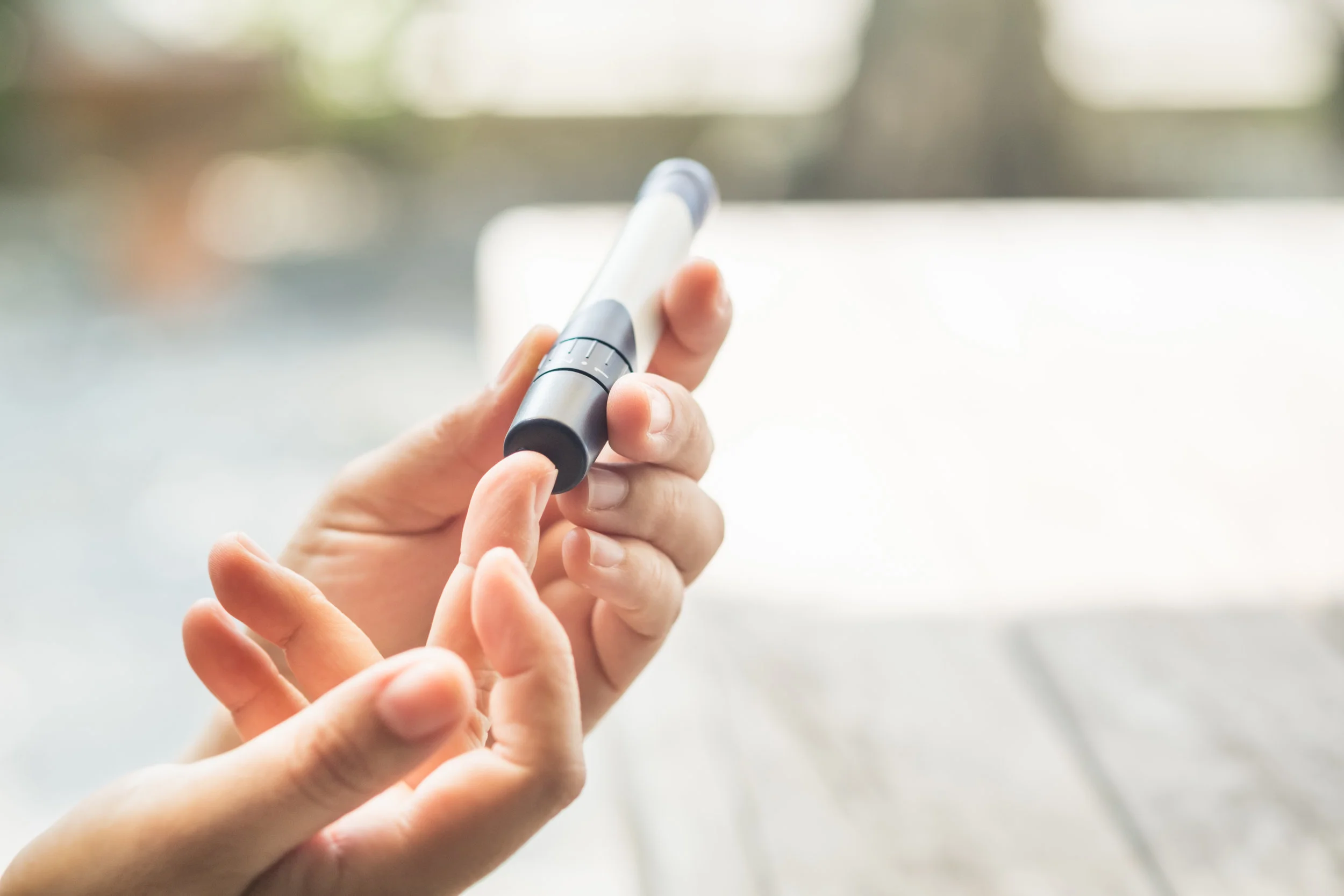
Our bodies are pretty remarkable. Among the many vital and intriguing processes that go on without our knowledge is the way that our processes of energy production, storage and distribution. Throughout the day, our liver stores and releases sugar in the form of glycogen according to need, increasing the available sugar or glucose in our blood. When we consume food, our body breaks down carbohydrate into sugar which is then absorbed into our blood and dependent upon our need, will be either stored or put to use. This is where a vital hormone called insulin comes into play. Insulin is how our body tells its tissues (for example, the muscles, liver and brain) to transport glucose out of the blood stream.
Lipoedema & Lymphoedema: Two different conditions
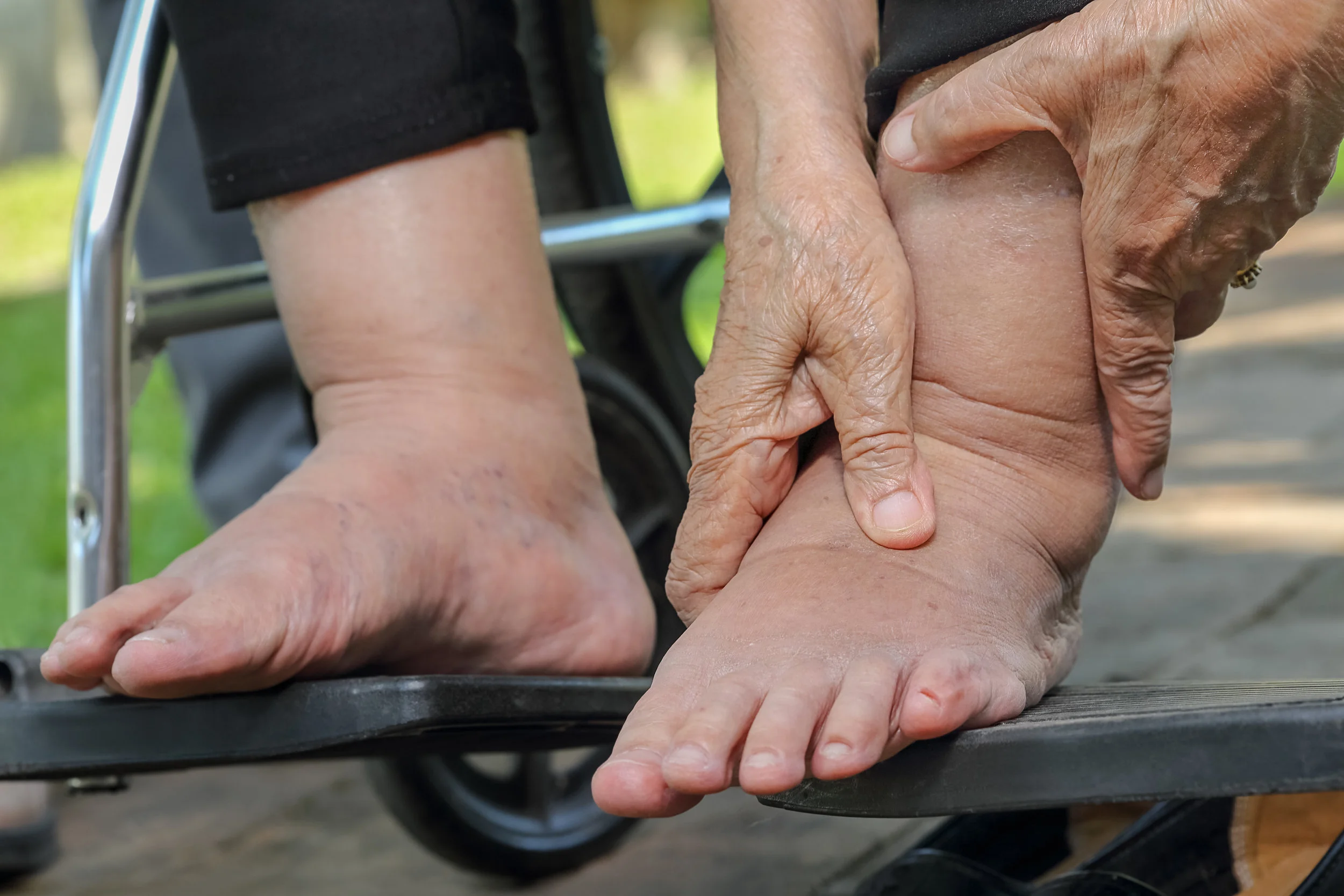
“By delivering graded low impact exercise such as light weights, hydrotherapy or water-based exercises as well as yoga, Pilates and walking we can assist in improving blood flow and drainage in built up adipose tissue. A graded exercise program in conjunction with compression bandages or garments and massage which both work together to encourage the flow of fluid though the body. Exercise physiologists are not only trained in the delivering a structured program for both these conditions but can also assist with pain management and emotional support ‘
What if every breath was a challenge?
Those of us with healthy hearts and lungs we struggle to understand the difficulties of those living with a chronic cardiopulmonary concerns. The condition known as Chronic Obstructive Pulmonary Disease (COPD) or emphysema, can be a debilitating illness that makes breathing incredibly difficult and the thought of physical tasks a cause for anxiety.
Tougher than nails
when we think about toughness you might be surprised to learn just how tough your body actually is. Did you know that it actually takes pressure of more than 250kg per square centimetre to deform connective tissue like the plantar fascia or the iliotibial band by just 1%. To lengthen connective tissue like fascia its been found that it takes a force greater than 4515 Newtons or 460kg to create just 1% change. This means that your body is actually really tough! But why then do we hurt?
Pregnancy back pain? This answer will move you
More than a third of all women will experience back pain during their pregnancy. Whilst many a mother might attest to this experience as being normal, few things are able to provide comfort for women is experiencing pain. Of greater concern is that 20% of these women continue to have back pain well after giving birth
Exercise Physi-what?
I hear it all the time. It’s not easy being in one of the smaller health professionals, particularly when you get confused with a bunch of stuff you’re not. And I don’t blame people for the confusion. The health marketplace is crowded and us exercise physiologists are regularly confused with kinesiologists, physiotherapists and even psychologists. So what do we actually do? Glad you asked.
The new standard in treating depression.
The great advances we’ve made in treating mental health can’t be understated. From simply being able to talk about depression and mental illness to having increased access to mental health services like psychology and counselling, mental health is being treated better than ever. However, there’s one area of treating depression that we must do better with. Using an exercise-based component to treating depression has substantial proven outcomes and helps to keep the body in mind when we’re treating mental health. Better still, exercise-based treatment for depression has been proven to prevent relapse. Yet the majority of those with a mental illness will not be personally prescribed exercise, nor referred to the key health professional for physical approaches to mental illness – the exercise physiologist.
Q & A: “I don’t feel safe on my feet. My balance seems to be gone and I feel like I will fall, what’s happening to me?”
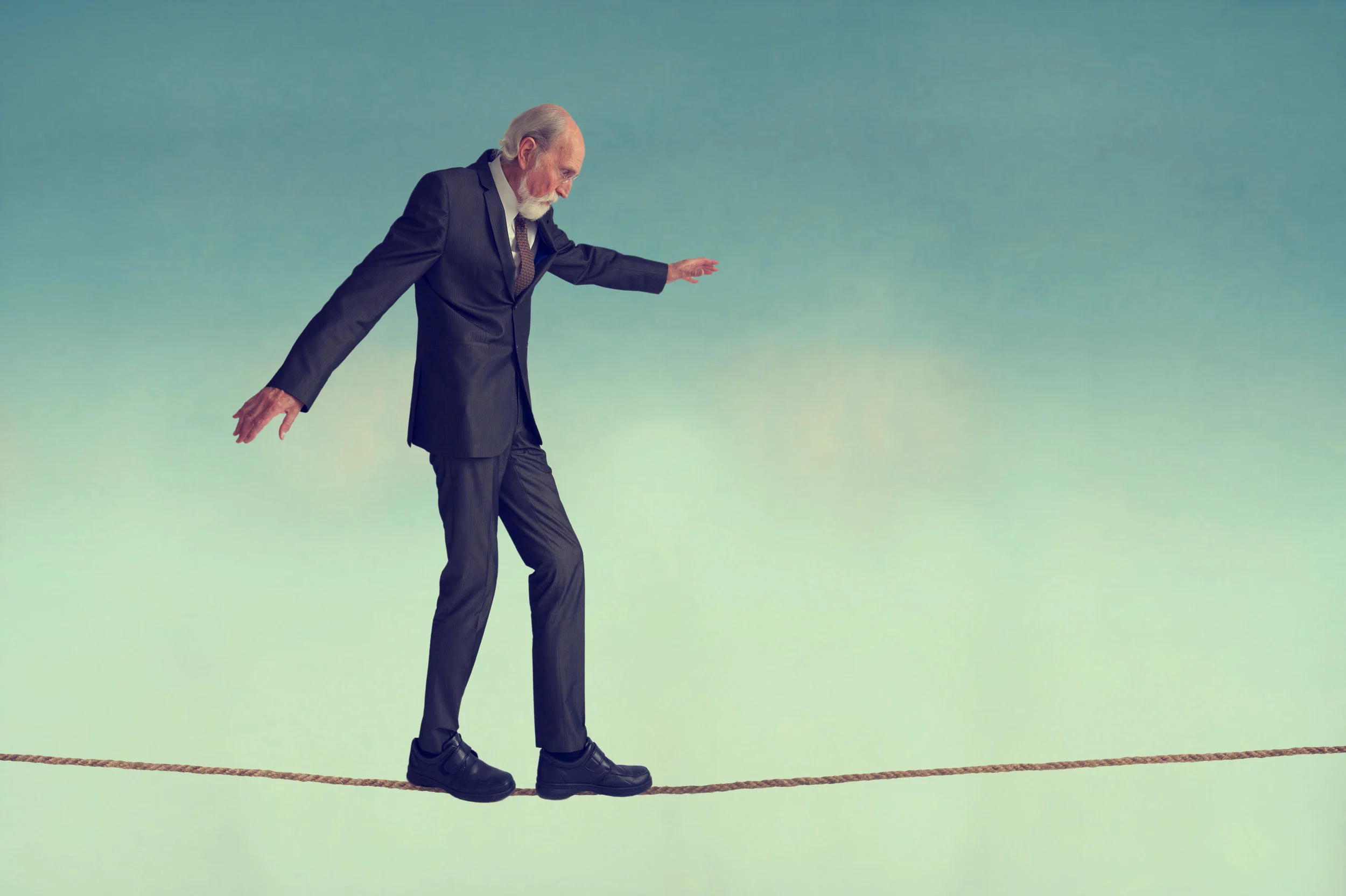
Experiencing a fall or a loss of balance can be scary, especially when it’s unexpected. It can make us feel afraid and can restrict us from doing certain activities in our daily life. But a life with restrictions on mobility impact independence, self-confidence and how we feel about ourselves. The good news is that balance is not a fixed and unchangeable feature of our physical self. If you have a sense that you’ve lost some of or all of your ability for balance, this is always something we can take steps to improve. The trouble is that most people don’t. If we want to living life without restrictions, prevent falls in the future and feel safe on your feet, rehabilitating your balance is the best thing you could do. So how do we do it?
Them bones, them bones...
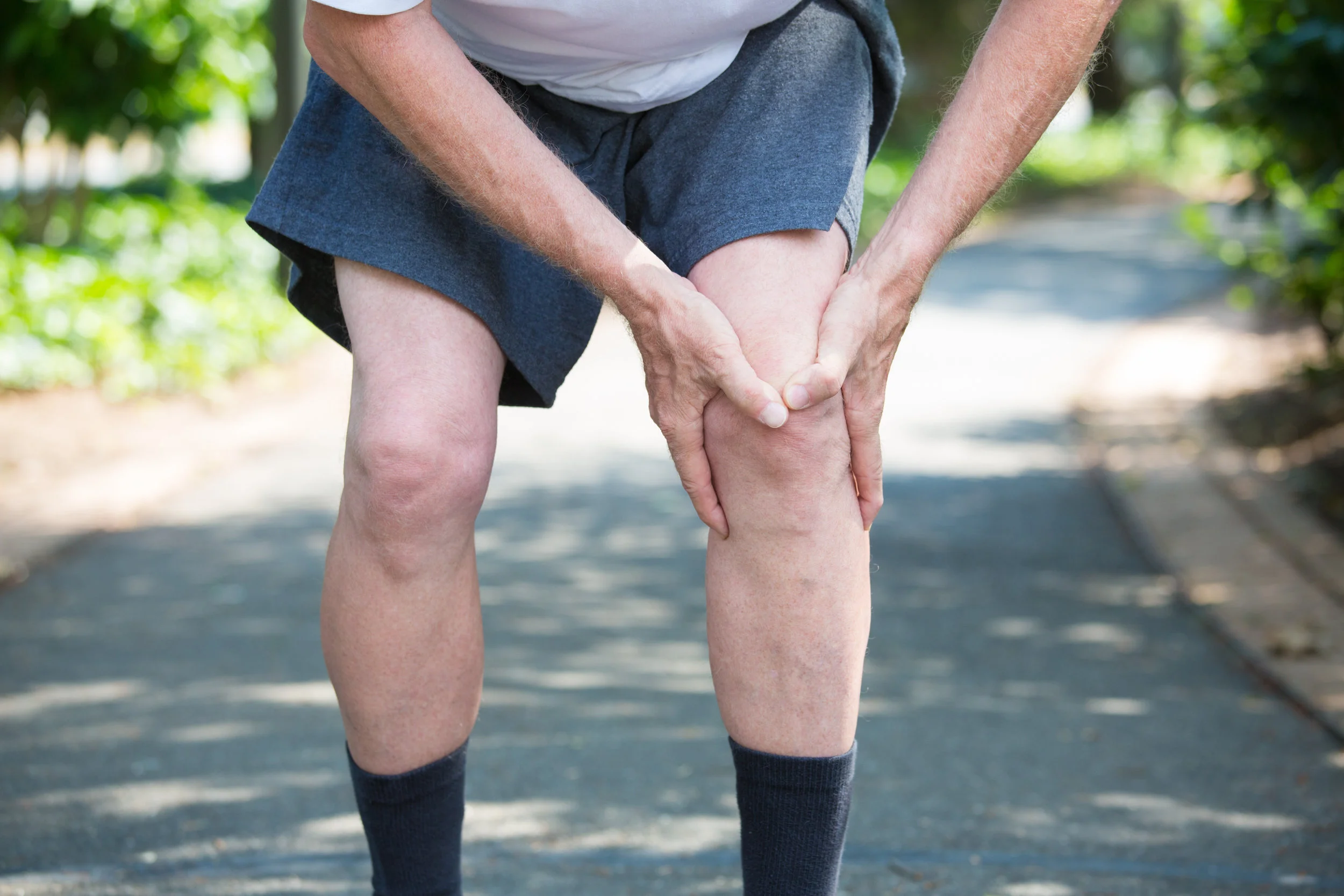
The knee is one of the most common joints for people to experience pain in. It’s also one of the most common joints where someone will be diagnosed with osteoarthritis. Whilst it’s a description that isn’t particularly accurate or helpful, the ‘bone on bone’ conversation is a common one that medical professionals have with their patients.
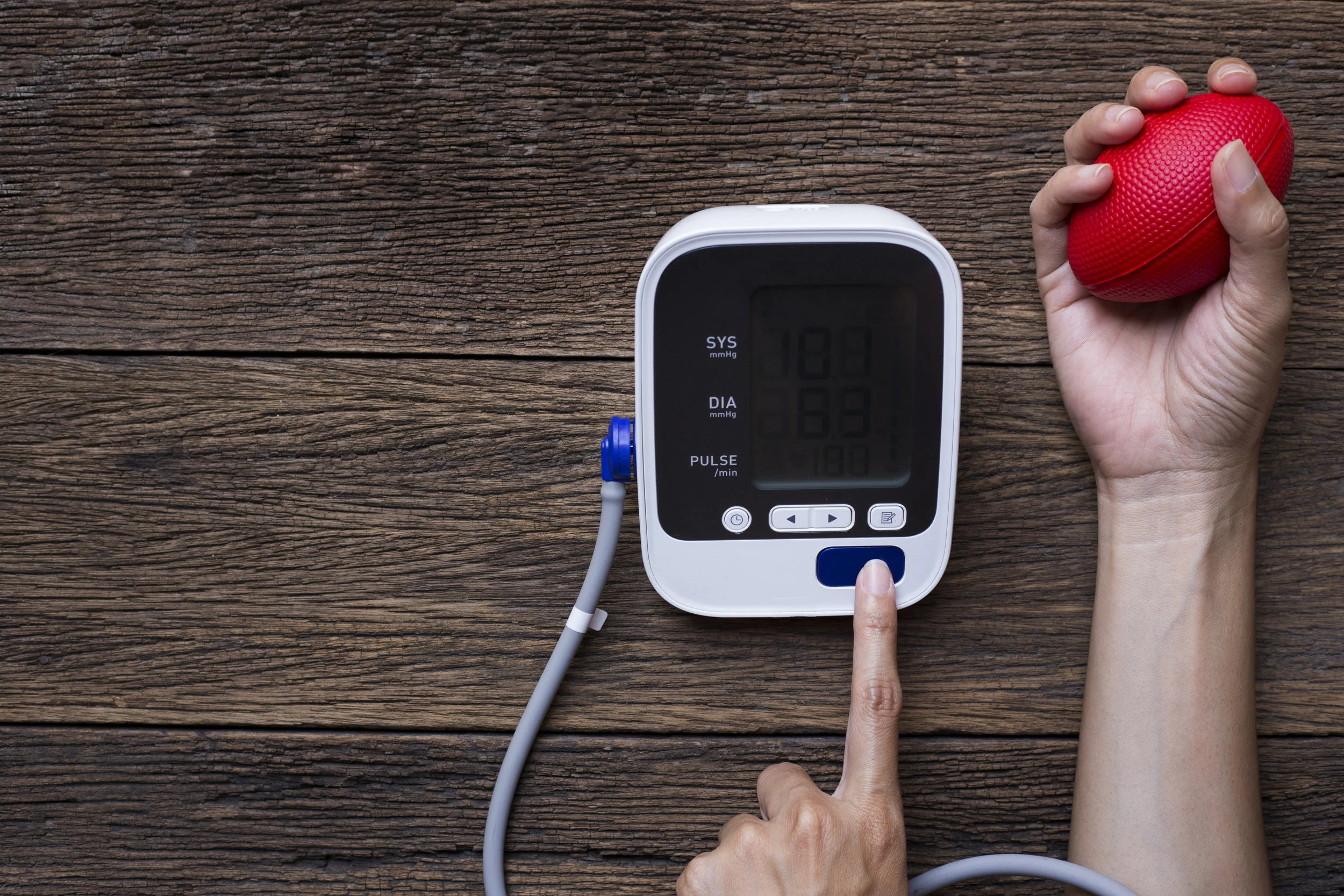
Hypertension 101
The recipe for ‘making’ time
I want to get back to how I felt when I was younger, but I just don’t have the time! Help?
Doing something about your current physical condition can be tricky, there’s no argument there. A heavy work schedule, loads of commitments - it can be hard to find time to exercise and everything that’s required. But not ‘having time’, though a common theme in reasons not to exercise, is an easier statement to make than to understand.
Neck pain can be a real pain in the… well, neck!
Usually the go-to’s for treating neck pain rely on the person in pain to place themselves in the care of a ‘fixer’. Either a doctor is expected to provide a pill to make it go away, a guru with a knack for pulling and cracking is sought to pull everything back into place, or a massage therapist with mystical hands is summoned to use their gift to eradicate muscular tension. Whilst many of these strategies can provide relief, this relief can indeed be short.
How much bed rest is too much?
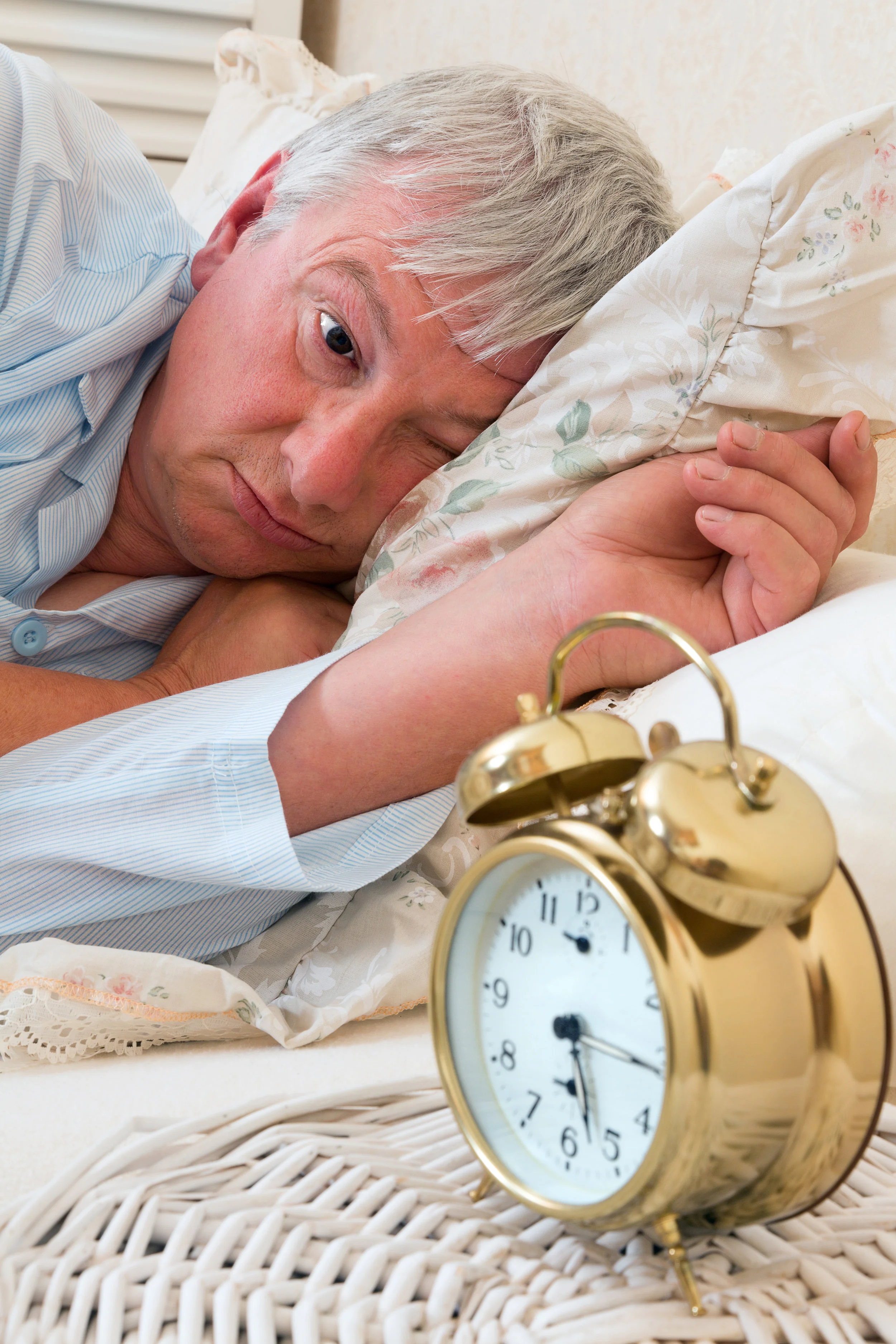
Our body innately has a drive to protect us, it’s what’s behind most of our feelings and pain. When we experience anxiety or fear we try to move away or modify our involvement in a circumstance so that the feelings are resolved. When we have pain we try and protect ourselves, and when we have fatigue we try and avoid activity that might exacerbate our low energy levels. Often times though, whilst these initial responses are very healthy, plotting the path of a steady return to normal activity is delayed in accordance with these ongoing feelings and it can be hard to find your way back to normal.
Fighting for your life: How exercise is being used to aid in the treatment of cancer
Up until recently, many people diagnosed with cancer were told to take it easy and rest up to best recover, but recent research has shown that this may actually do more harm than good. Exercise has been shown to help reduce side effects associated with cancer treatments, improve the effectiveness of the treatment and improve overall quality of life!
what happens when movement meets memory!
Exercise can help increase what is referred to as our, “Cognitive Reserve.” The Cognitive Reserve Hypothesis theorises that if brain tissue has sustained a functional loss or is damaged in one region, that the original level of functioning may be able to be maintained by other regions of the brain working harder to counteract the negative effects of the altered neurons. Cognitive Reserve is essentially your brain’s way of finding an alternate route to help you reach your destination or, “accomplish tasks,” when road-blocks have been established.
Better than drugs, safer than surgery: movement based therapies for osteoarthritis
Osteoarthritis is a chronic condition which is characterised by a break down of cartilage around the joints, this can cause pain and loss of motion in affected joints.
While exercise will not cure Osteoarthritis some specifically targeted exercises can help help with the management of pain and maintain flexibility.
Exercise is considered the best non-drug therapy for the management of Osteoarthritis for maintaining flexibility and reducing pain.